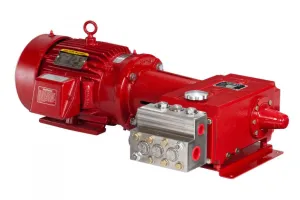
Many upstream energy producers are now using automated electric systems to run locations efficiently and with fewer manual adjustments required.
To support these systems, we’ve created a project called Kimray Electrix™, which brings together the products, expertise, and tools you need to get the most out of your oilfield automation.
Below is a simple metaphor to help explain how our automated control products work. This is not engineering-level content, but it should help you feel more confident with electric products and processes.
Basic Automation Overview
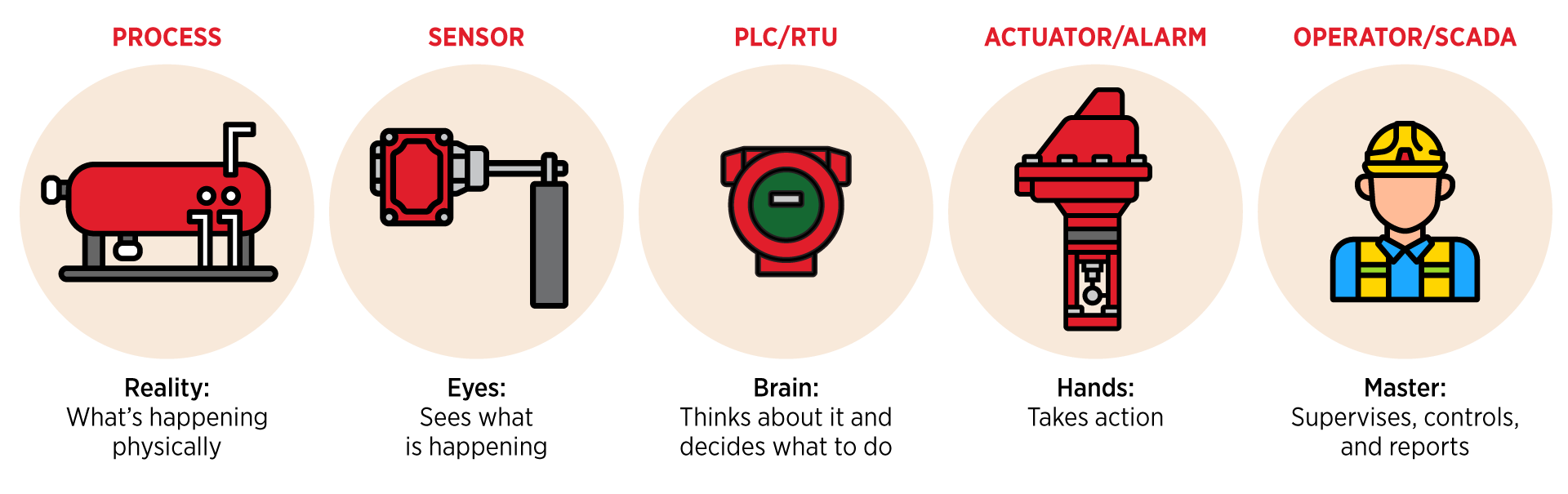
Each link in an oilfield automation product chain has a simple job, but they all must work together to function correctly.
Process: Reality
The process is the reality of what is happening physically with the valuable resources in your equipment. It's what everything else that follows is trying to keep track of.
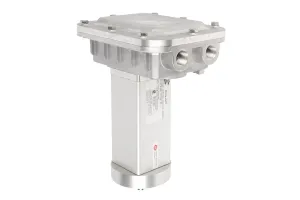
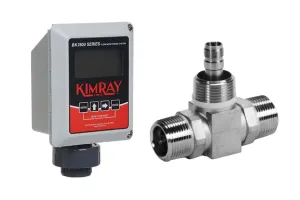
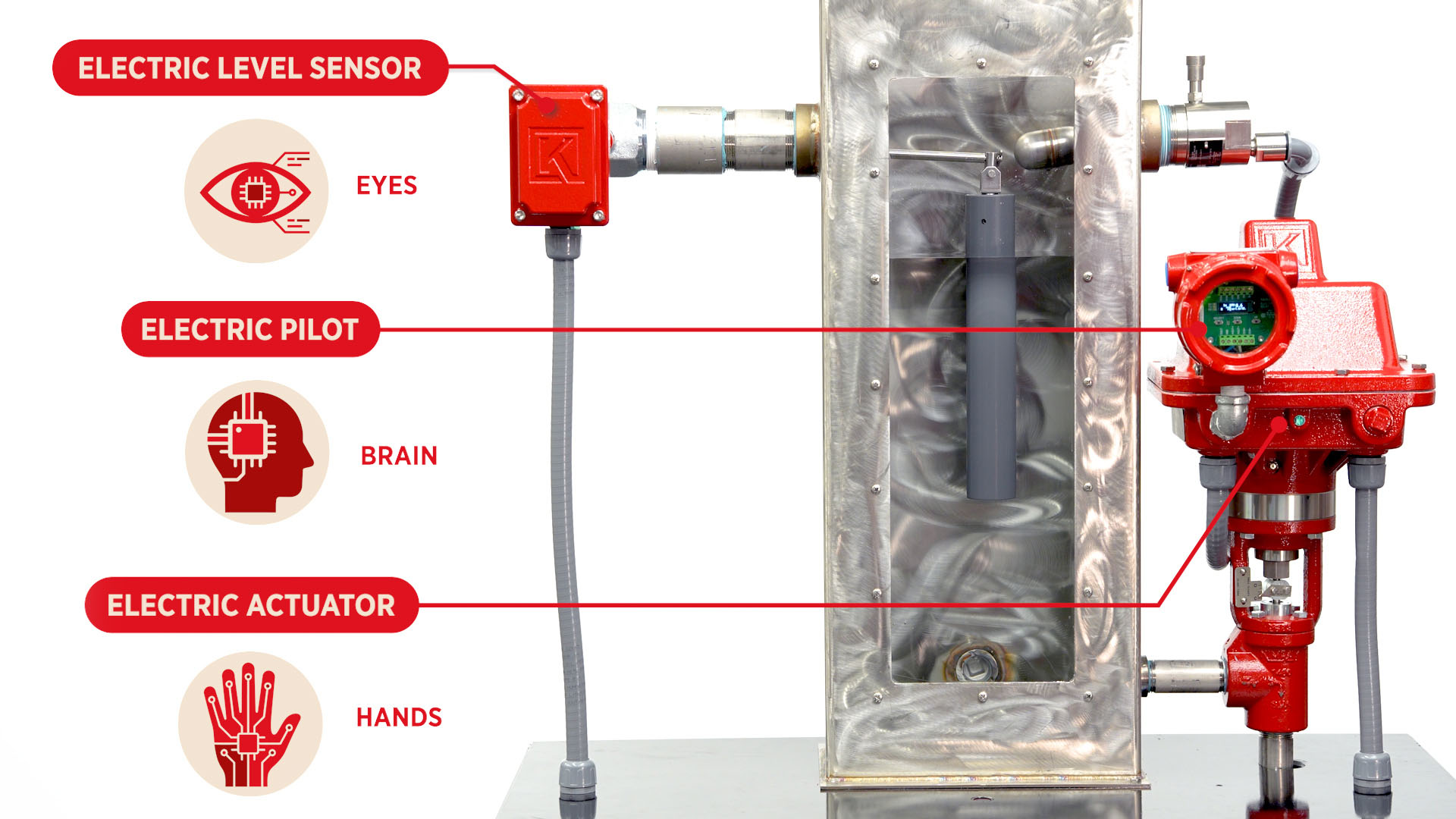
Eyes: Electric Level Sensor
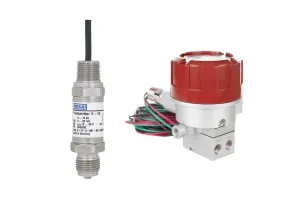
A sensor, like the new Kimray Electric Level Sensor, serves as the “eyes” on the project. It measures what's happening in the process, such as pressure, flow, temperature, or level. It doesn't decide anything—it just watches and reports.
Electric Level Sensor Resources
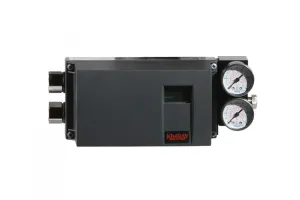
Brain: Electric Pilot
The next component is an Electric Pilot, which serves as the “brain” on the project. It takes what the sensor sees and decides what should happen next. It receives information, calculates what to do, and communicates it. Note that this could also be done by your PLC.
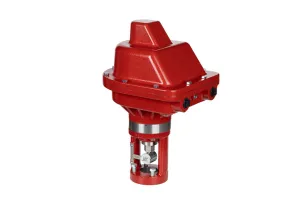
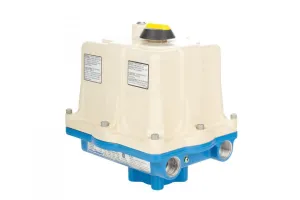
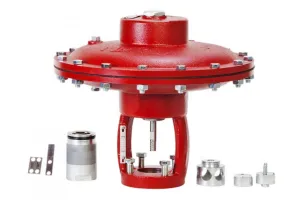
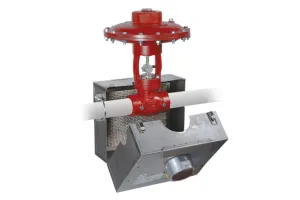
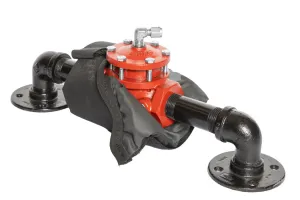
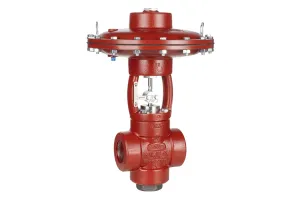
Hands: Electric Actuator and Control Valve
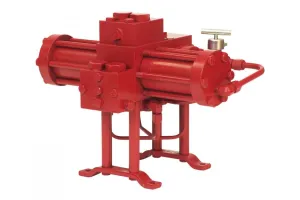
The brain can decide if a valve needs to open, but it can't open it. That has to be done by the hands on the project—our electric actuator and control valve.
Operator/SCADA: Master
At the top of this system sits the operator or SCADA system, the master of the whole operation, which supervises, controls, and gets reports on what's happening across the site.
When you're ready to take the next step on your automation journey, reach out your local Kimray rep or authorized distributor.