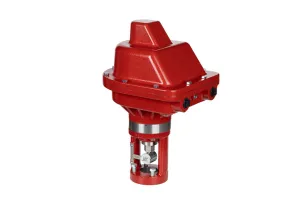
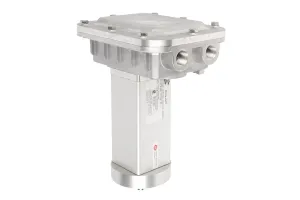
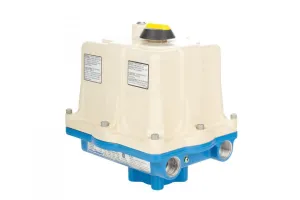
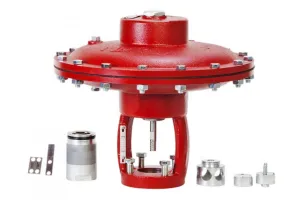
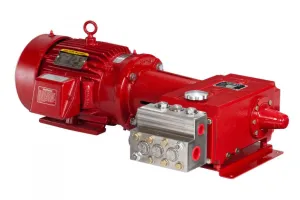

Electric power has become a regular part of modern upstream production. Electric products make it possible to monitor pressures, levels, and flows in real time, adjust control devices remotely, improve response time, and collect data for production optimization.
AC vs DC Power
Before diving into devices and control systems, it’s important to understand the two main types of electrical power used in oil and gas production: AC (Alternating Current) and DC (Direct Current).
Alternating Current (AC)
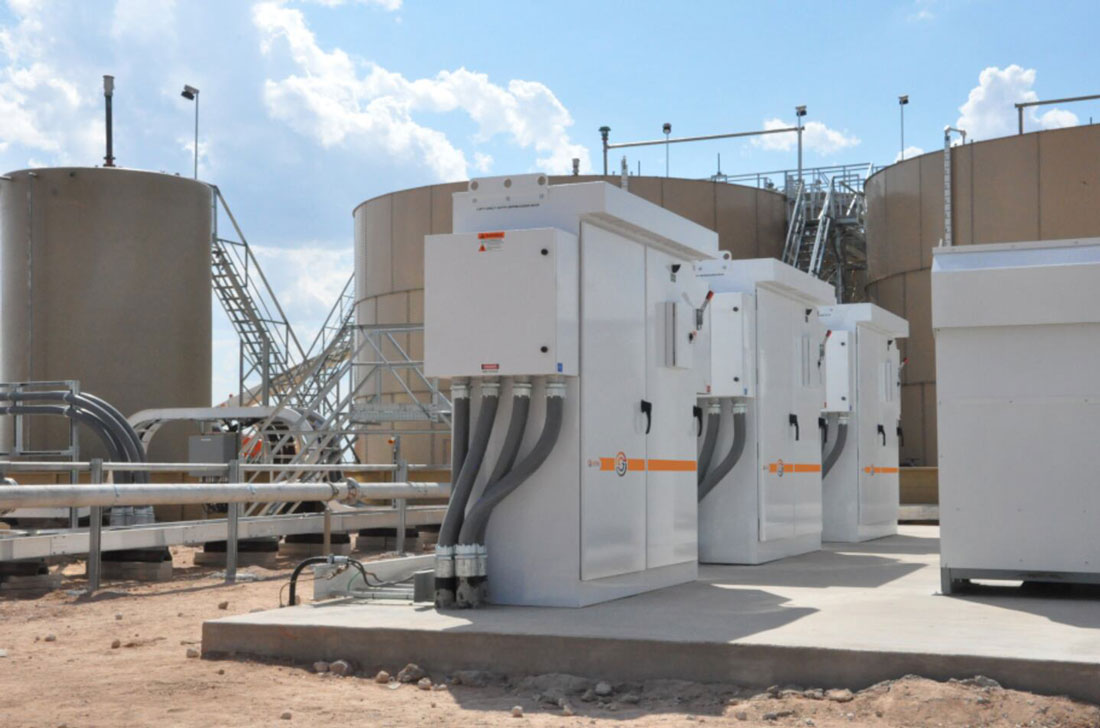
Alternating current is the same type of electricity used in homes and commercial buildings, commonly for higher-power applications.
AC is ideal for transmitting power over longer distances and running high-load equipment. However, it often requires transformers or power supplies when stepping down voltage for control systems.
AC changes direction many times per second. In North America, it operates at 60 hertz, which means it reverses direction 60 times per second. Hertz matters most when working with generators or VFDs, but not as much of a consideration for solar, 4-20mA or RTUs.
In oilfield operations, AC power is often used for electric motors, pumping units, compressors, larger variable frequency drives (VFDs), and facility-level equipment.
Direct Current (DC)
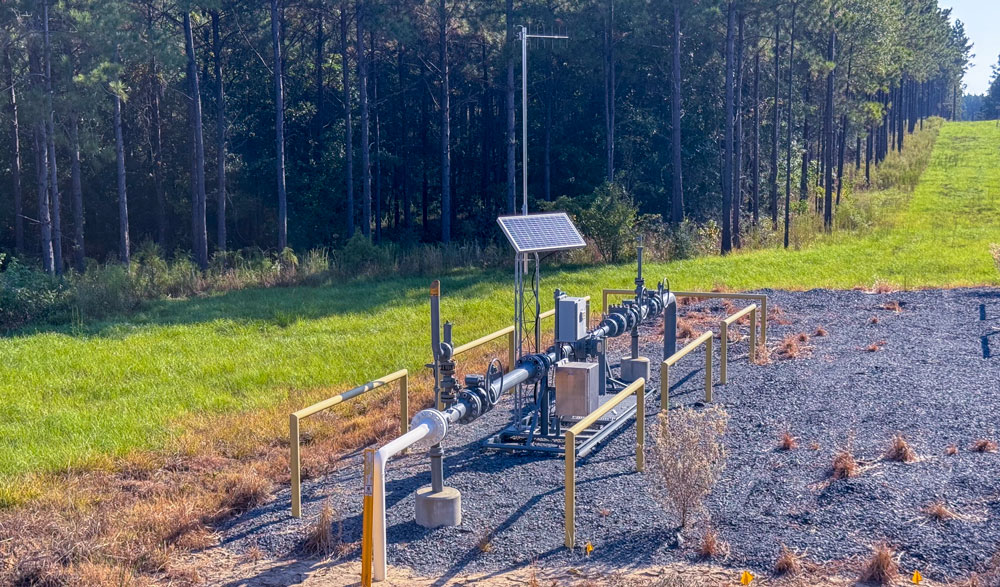
Direct current (DC) flows in one direction only. In upstream production, DC power is extremely common, especially at remote well sites where entire automation systems can run on DC power.
You’ll typically see 12 VDC or 24 VDC battery systems, solar-powered RTUs and transmitters, and DC-powered control devices
DC is well-suited for remote automation because it works efficiently and reliably with batteries and solar panels in off-grid locations and it supports low-power electronics.
Why AC vs. DC Matters in the OilField
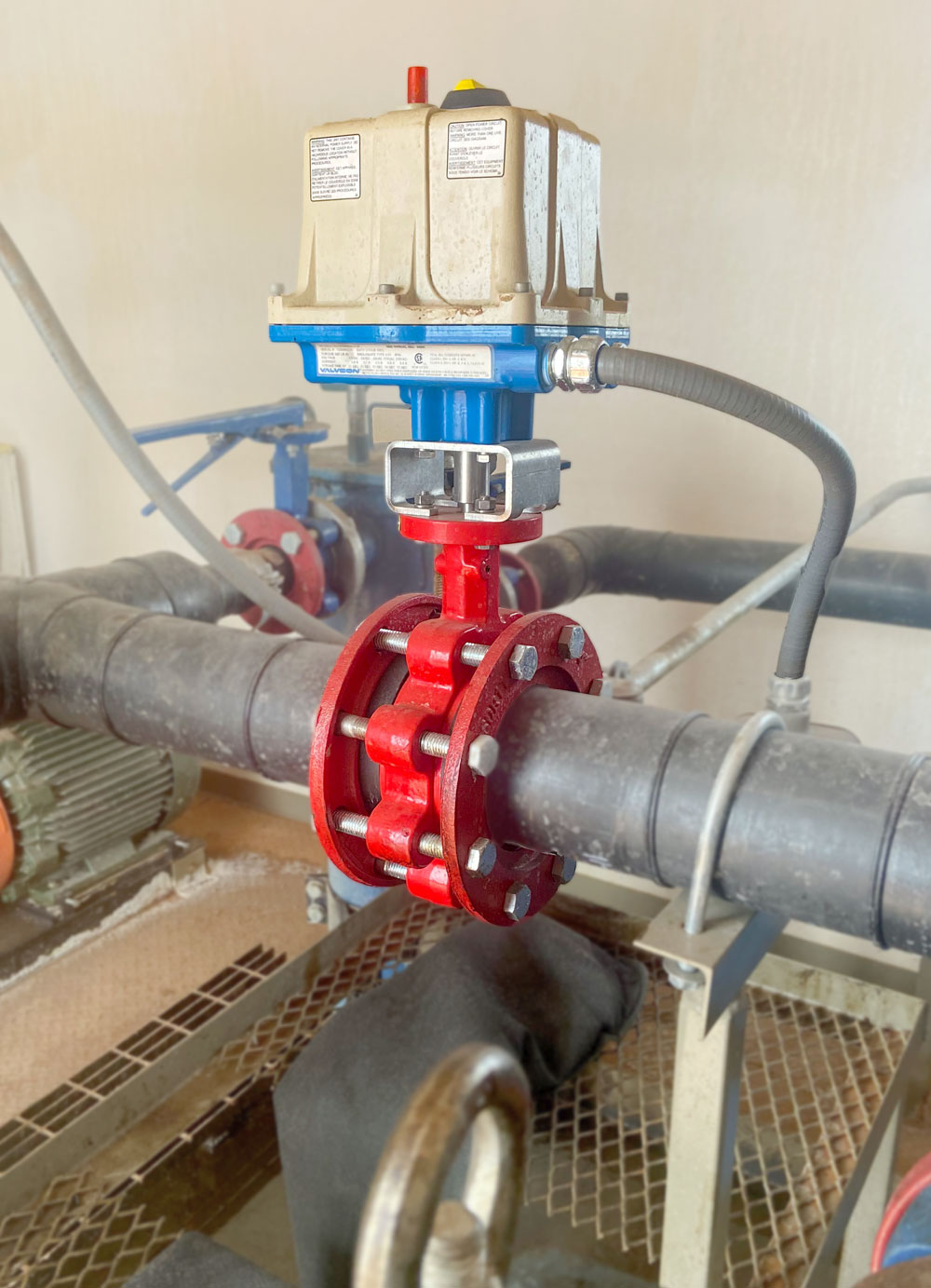 System design and correct power selection are foundational to reliable automation. Understanding whether equipment uses AC or DC is critical when selecting power supplies and sizing wiring and overcurrent protection.
Connecting an AC device to DC power (or vice versa) can damage equipment immediately. Even within DC systems, applying the wrong voltage can cause unreliable operation, overheating, or permanent failure.
For example, a 24 VDC device connected to a weak 12 V battery system may continuously reset.
Before wiring or applying power to any electric device:
• Verify the required voltage and current ratings
• Confirm whether the device is AC or DC
• Review the installation manual
• Follow proper grounding and overcurrent protection guidelines
When you understand all these principles and terms together, electrical systems look less intimidating and instead become tools you can reason through and troubleshoot.