
Challenge
The PEMEX separation battery in the Rabasa oil field is one of the most important facilities of the Cinco Presidentes Extraction Asset. It is also constantly changing.
One of the most recent changes was the incorporation of production from Litoral Tabasco, one of PEMEX’s areas in the maritime sector. This addition brought a series of challenges that technologies in operation could not handle.
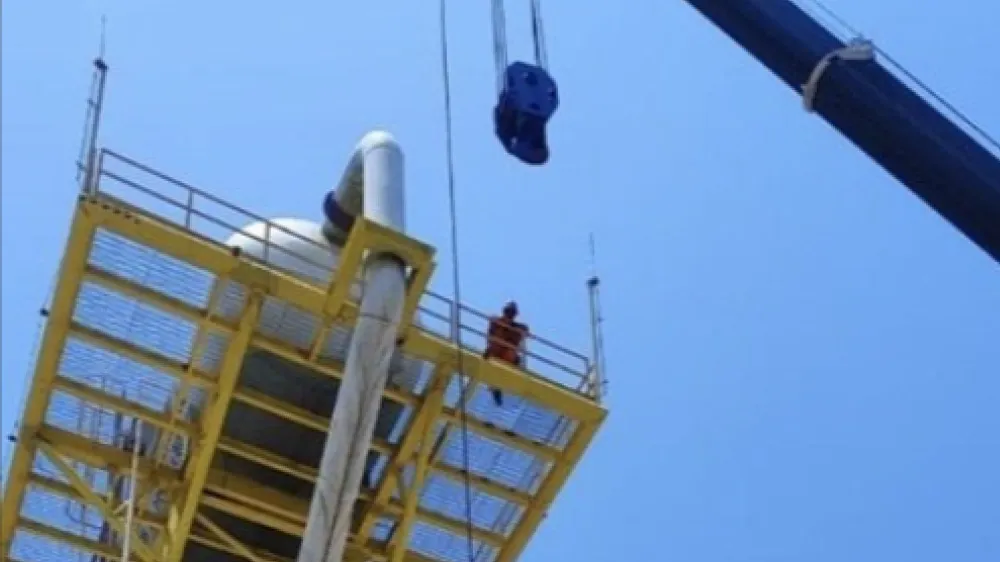
The most critical point to address in this new system was the elevated separator (SHEBP-1), which was at a height of approximately 30 m. The separator required an adjustment of the level control range to ensure continuity and operational reliability.
PRODUCTION DETAILS
- Production Type: Level Control
- Oil Volume: 30,000 Bbd
- Gas Volume: 30 Mmcfd
- Solids in Fluid: Low
- Corrosiveness: Low
- Upstream Pressure: 40 kg/cm2
- Downstream Pressure: 4 kg/cm2
- Vessel Type: Two-Phase Separator
SOLUTION
Operators began to look for alternatives and decided on a complete replacement of the current system with a more modern and efficient one.
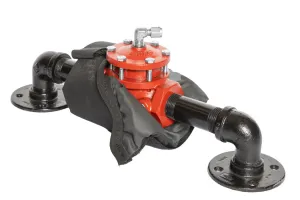
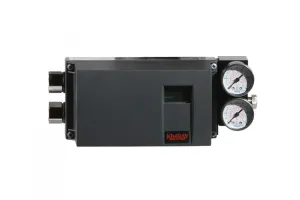
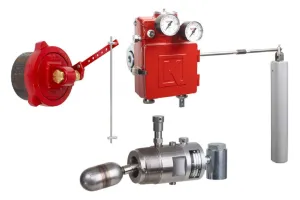
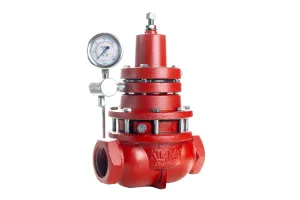
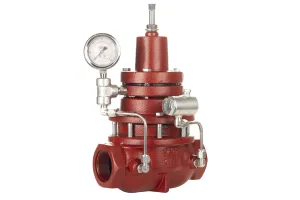
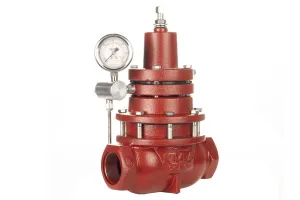
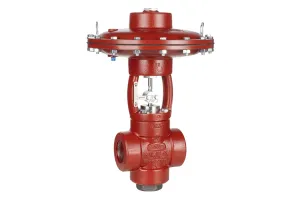
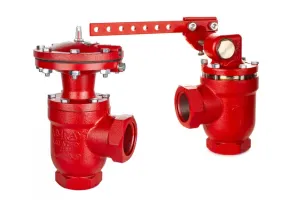
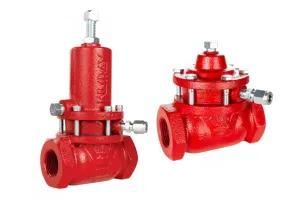
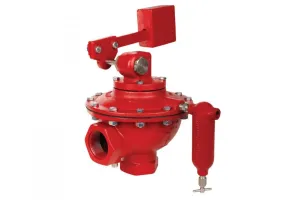
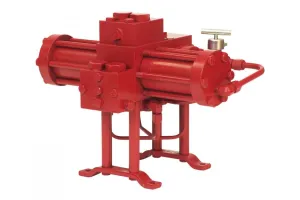
In April 2025, it was proposed to expand the level span to give a greater measurement range, placing a 4” level leg in conjunction with the Kimray Gen 3 Liquid Level Controller, which would include 2” blocking valves for later maintenance without having to take the entire separator out of operation.
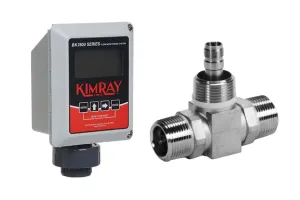
The above, complemented with a level indicator and a transmitter, would make it possible to have a comprehensive system of control and visualization of the separator level, both locally and remotely, facilitating operations and reducing both operating time and risks associated with working at height that the level taking entailed.
- Date of Installation: 29 April 2025
- Product Installed: Gen 3 Liquid Level Controller with 2” connection
RESULTS
Local operations reported 5 ways the new solution improved their level measurement system:
- Increased Operational Safety: Operators could now see the measurements and control the level through their automated system, eliminating the need to climb the 30 m separator to get a readout and increasing the safety of all personnel involved in this type of operation.
- Reduced Operating Times: By reducing adjustment times to virtually zero, the solution significantly increased operator productivity.
- Better Decision Making: With shorter operating times, the focus on critical issues increased, allowing for better decision-making.
- Process Modernization: Having the most up-to-date technology gave the operator a fully automated system and efficient control, improving operations, environment, and safety.
- Self-Sustaining System: The system uses the same gas as the process, making efficient use of existing resources.