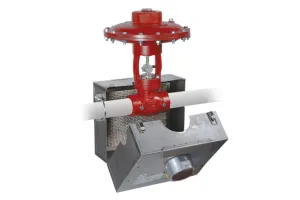
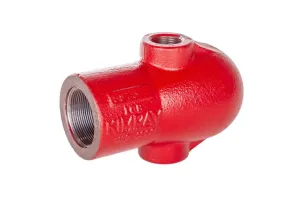
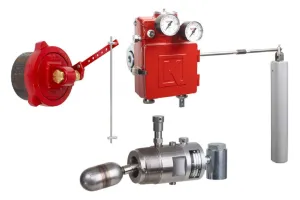
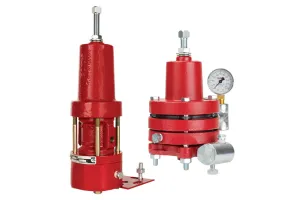
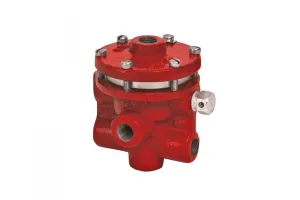
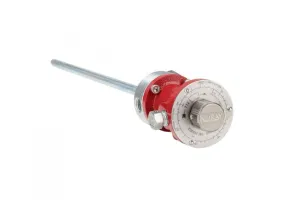
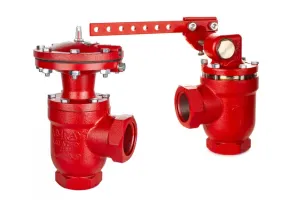
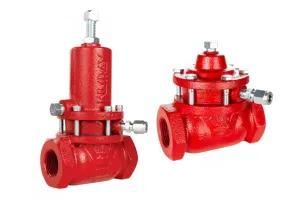
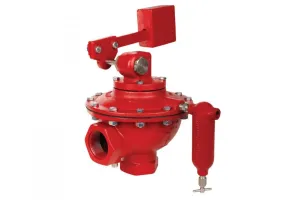
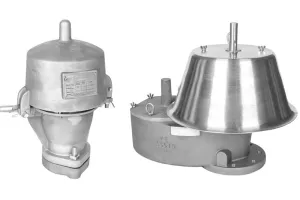
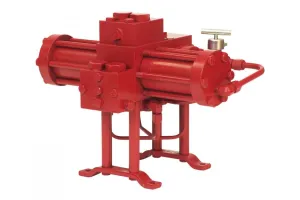
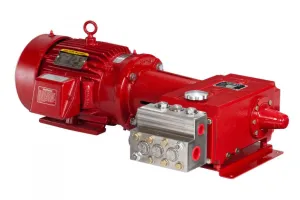
In oil and gas production applications, it can be hard to tell the difference between a back pressure regulator and a pressure reducing regulator.
How To Identify a Back Pressure Regulator
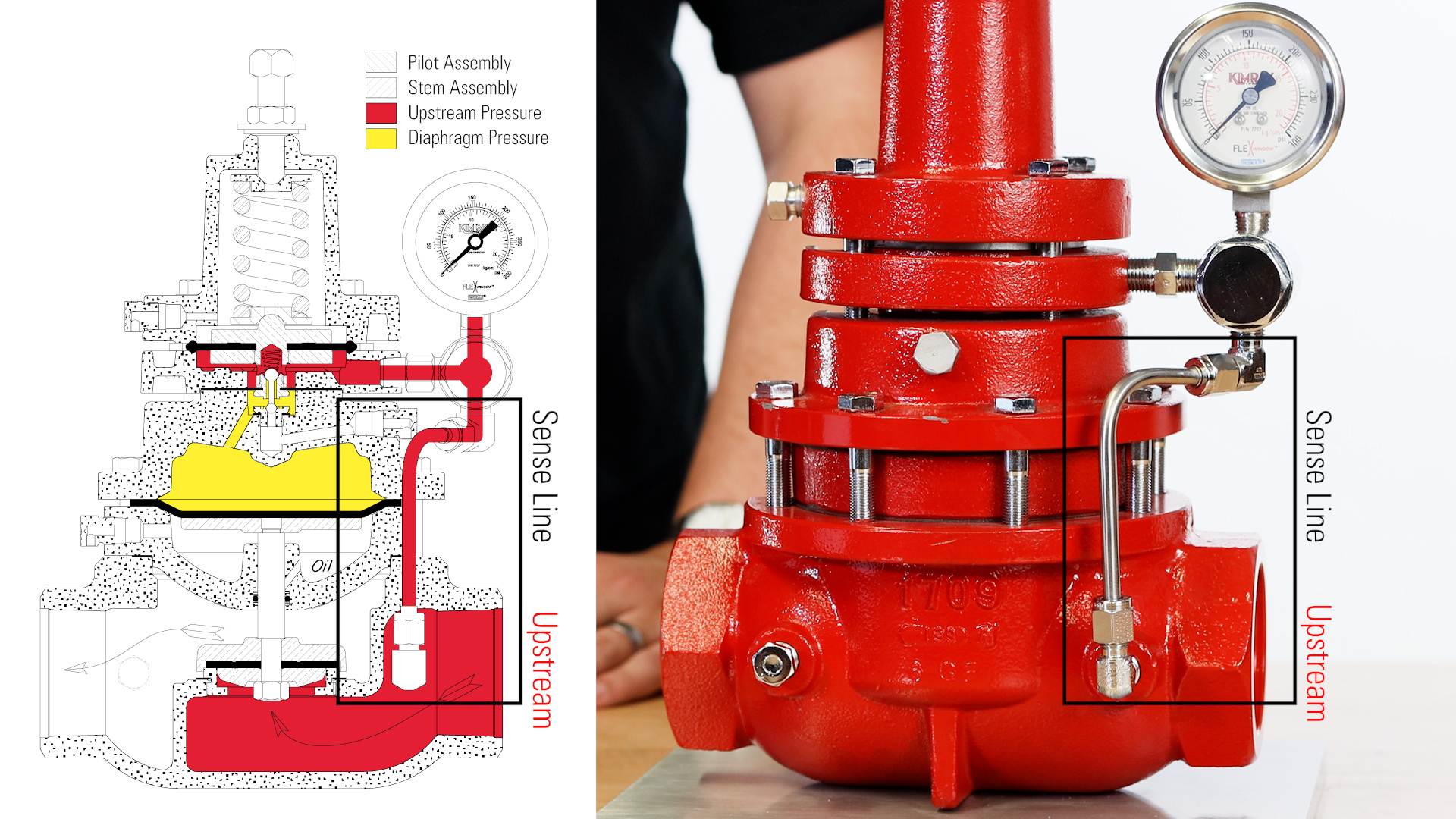
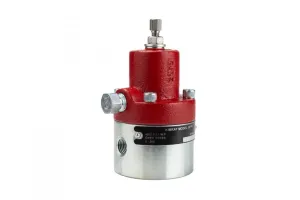
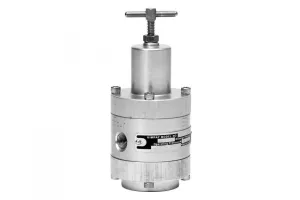
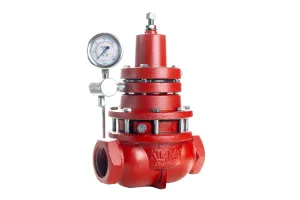
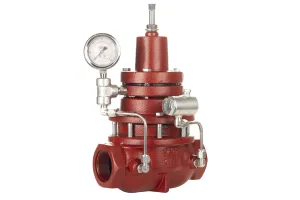
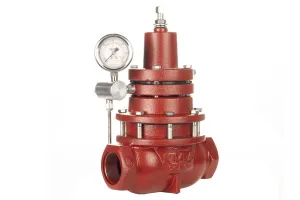
While the bodies of the back pressure regulator and pressure reducing regulator look the same, the key to identifying yours is to locate the sense line.
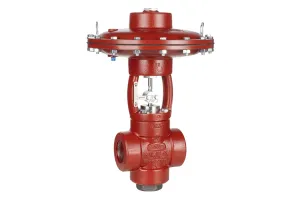
A Back Pressure Regulator is a type of control valve designed to hold pressure on production vessels and release pressure downstream when a set point is reached.
This pressurizes the vessels so that the opening of a control valve or dump valve creates a pressure differential, causing the fluid to leave the vessel and go on the next destination in the process.
Applications for Back Pressure Regulators include:
- Gas Sales Lines
- Production Vessels (e.g., Separators, Heater Treaters or Free Water Knockouts)
- Vent or Flare Lines
- Sense Line on a Back Pressure Regulator
Whichever type of regulator you have, your sense line will always be running to the pressure gauge. The sense line on a back pressure regulator will be coming from the upstream side of the valve, because you sense upstream pressure on a back pressure regulator.
How to Identify a Pressure Reducing Regulator
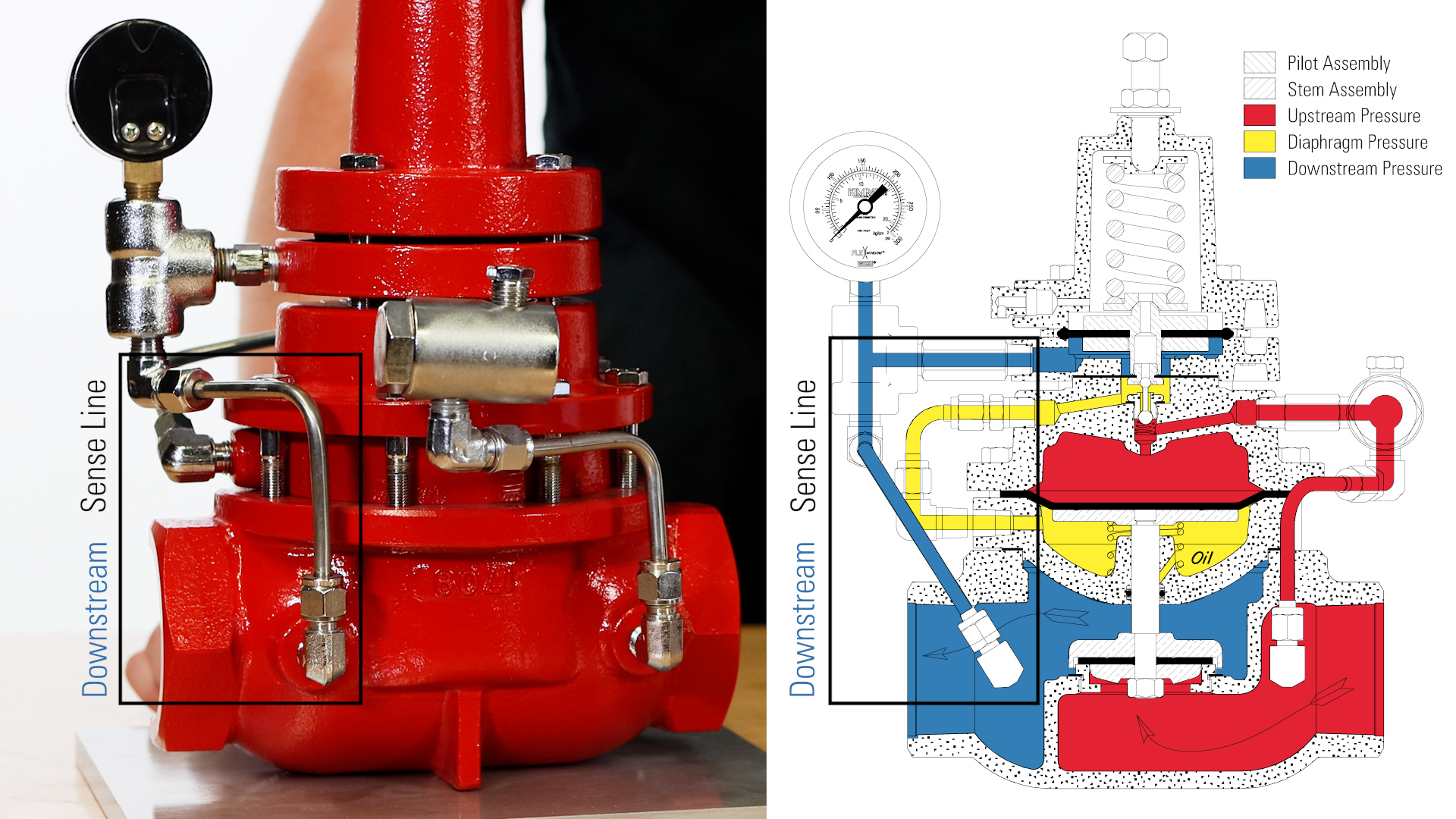
While a Back Pressure Regulator holds pressure on a vessel, a Pressure Reducing Regulator is designed to precisely regulate the flow of gas. It creates and holds a downstream set point.
As the name implies, the Pressure Reducing Regulator reduces upstream pressure, but allows it to flow through at a consistent, pre-determined rate.
Applications for Pressure Reducing Regulators include:
- Suction Controllers on a Natural Gas Compressors
- Recirculation Valves on Natural Gas Compressors
- Supply Fuel or Instrument Gas on Production Equipment
- Gas Meter Runs
- Sense Line on a Pressure Reducing Regulator
On a pressure reducing regulator, the sensing line coming into the pressure gauge will come from the downstream side of the valve.