



































What is Crude Oil?
What are we referring to when we talk about oil?
Crude oil is a black liquid found in geological formations. It is a fossil fuel, which means it is formed from dead organisms that are buried under intense heat and pressure.
But not all crudes are alike. There are three primary qualities that differentiate one oil from another: Weight, Sweetness, and TAN count.
Weight of Crude: Light Oil vs Heavy Oil
Heavy oil:
- evaporates slowly
- contains materials used to make products like asphalt
Light oil:
- requires less processing
- produces a greater percentage of gasoline and diesel
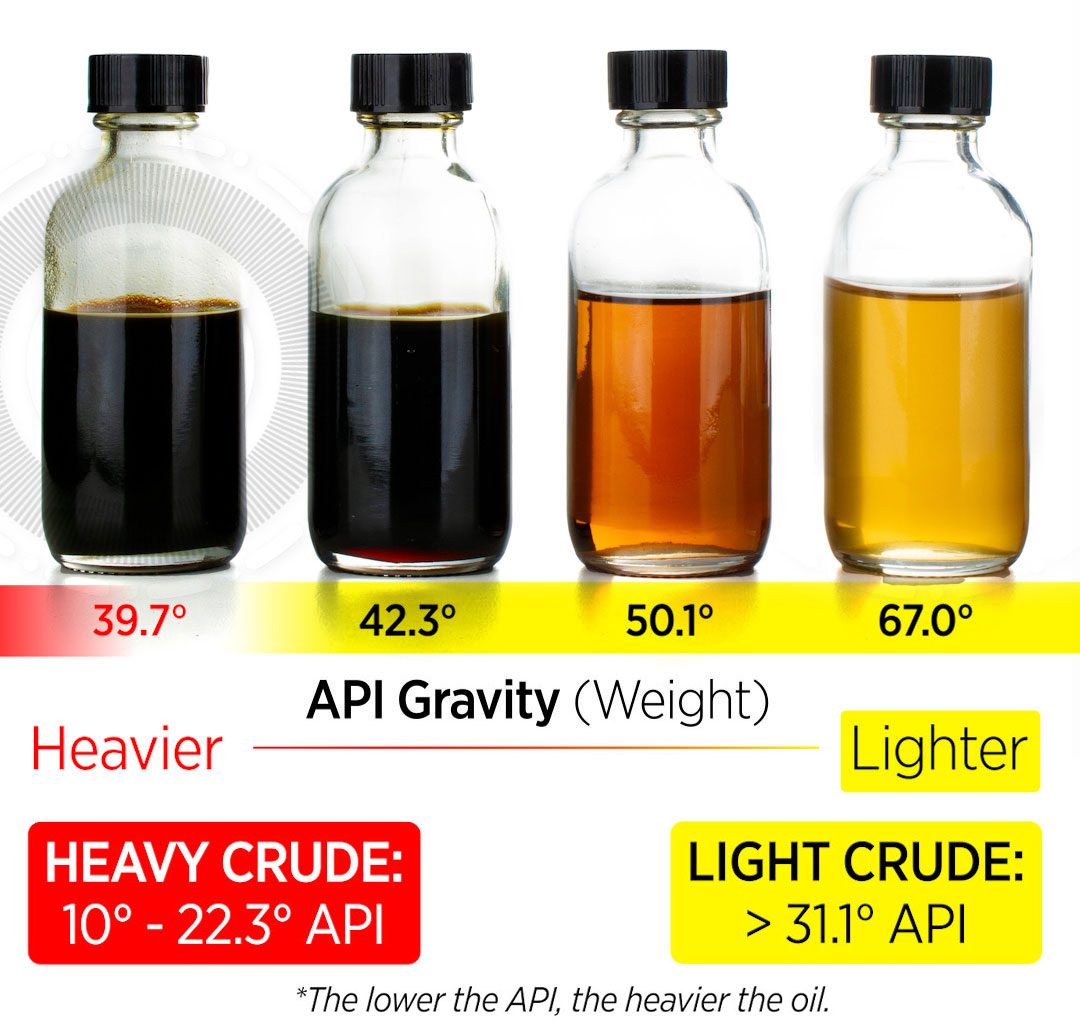
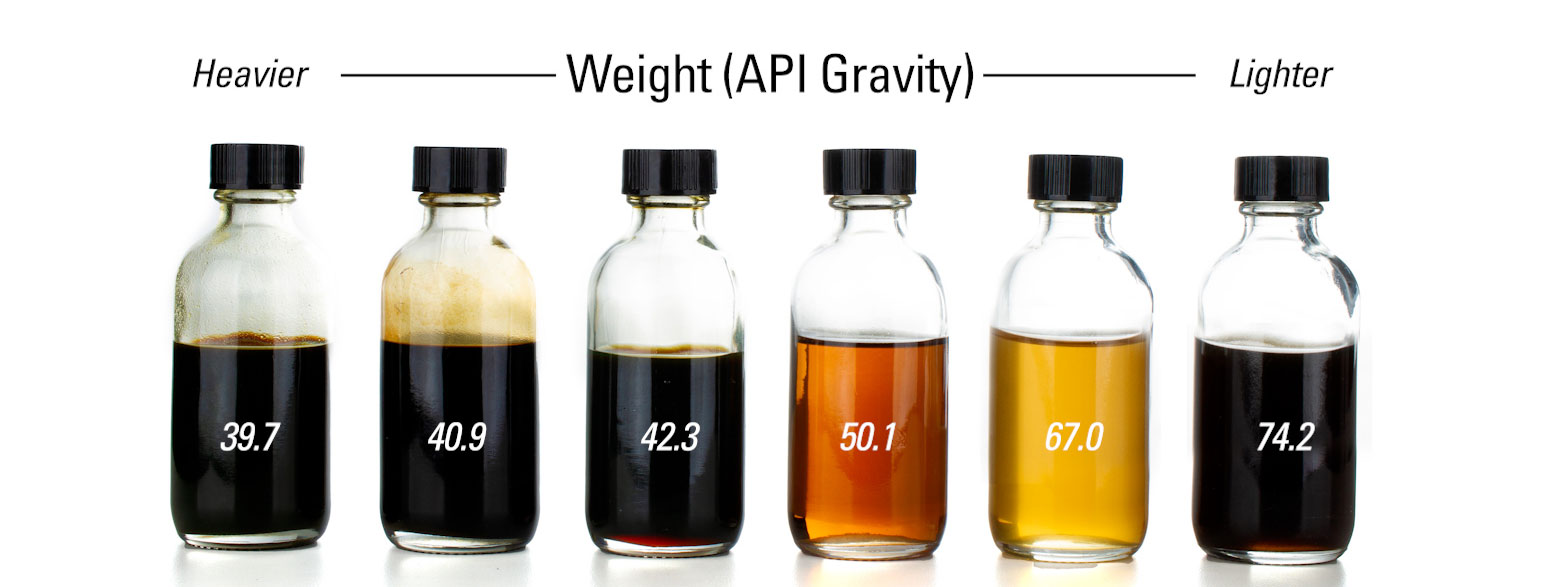
The standard unit of measurement for oil weight is API (American Petroleum Institute) Gravity. This scale was created to measure the density of oil, heavy to light.
- The higher the API, the lighter the oil.
- The lower the API, the heavier the oil
Sweet or Sour Crude Oil
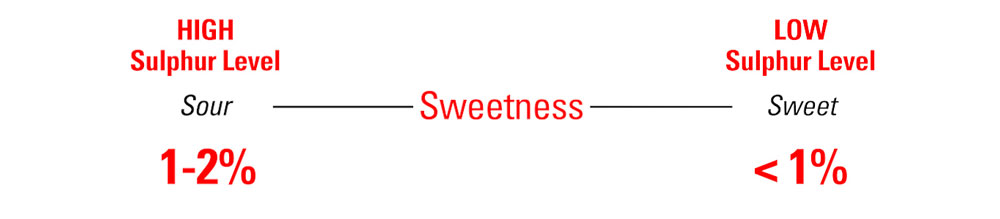
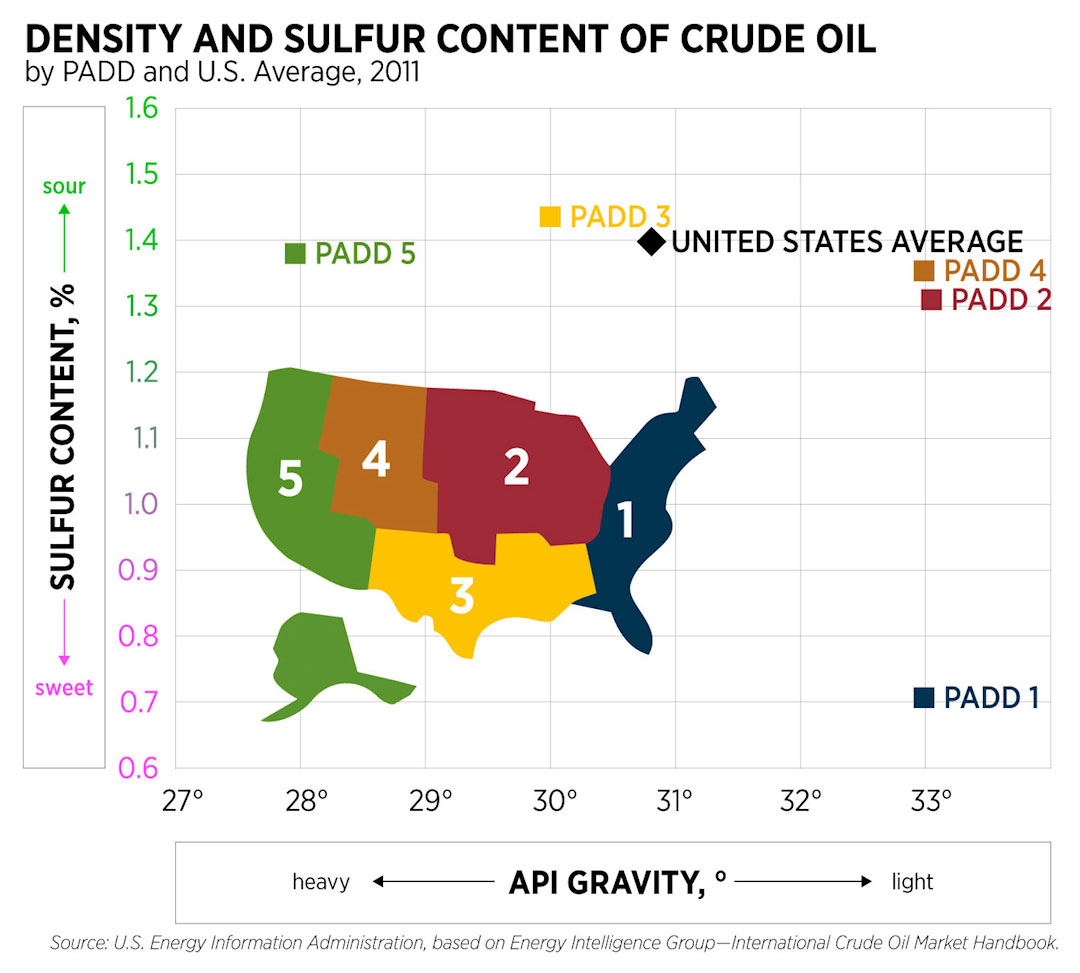
What makes a crude oil "sweet" or "sour" is the amount of sulfur it contains.
- Sweet crude has very low levels of sulfur, well under 1%.
- Sour crude has as much as 1-2% of sulfur.
Midstream companies and refiners that transport, store, and process sour oil know they need extra treating capabilities to take out the sulfur and sweeten the product.
Tan Count of Crude Oil
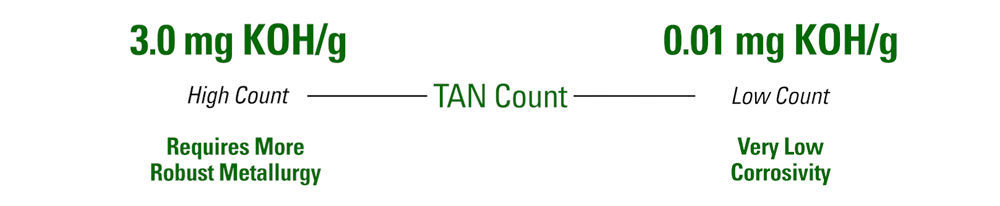
TAN stands for “Total Acid Number” and is a measure of how corrosive it is.
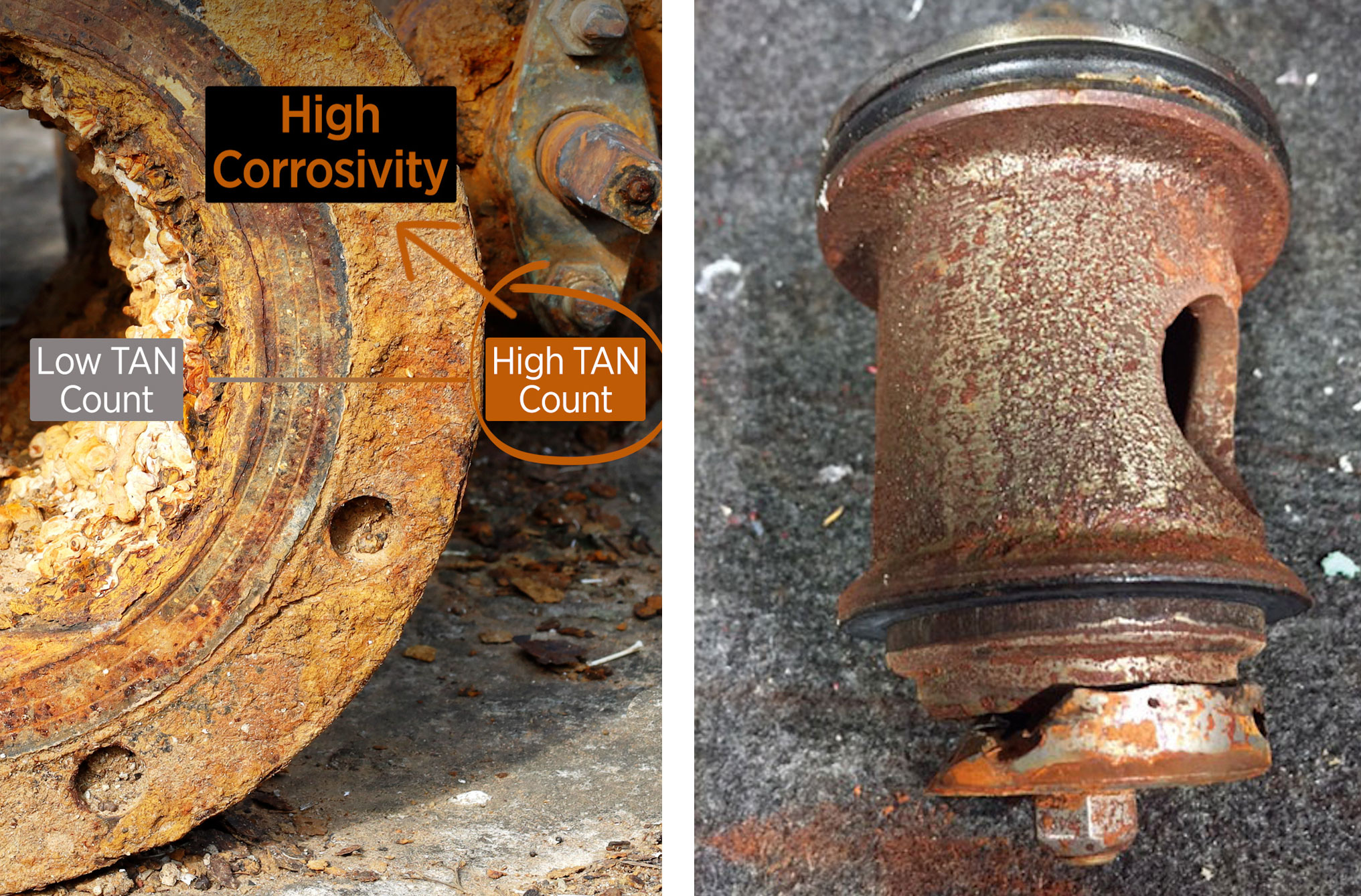
If a crude has a high TAN number, producers must use more robust metallurgy than standard so their processes can handle that corrosivity and keep the crude in the pipe.
The Ideal Oil: Light and Sweet
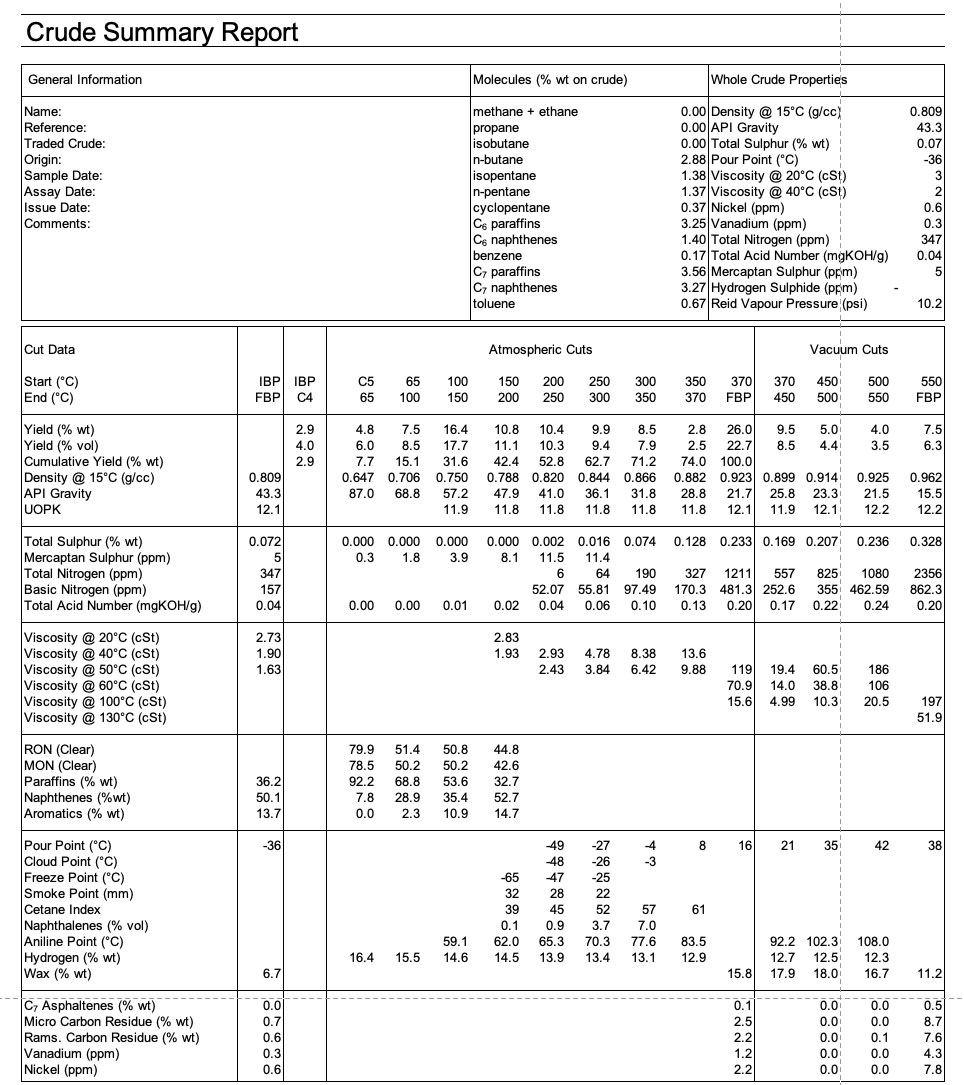
Companies use a test called an assay to get a full chemical breakdown of what is in a barrel of oil. The ideal oil is light and sweet with a low TAN count, while the harder to process oil is heavy and sour with a high TAN count.
Types of Crude Oil on the Market
There are well over 100 different crude oils traded on the market today.
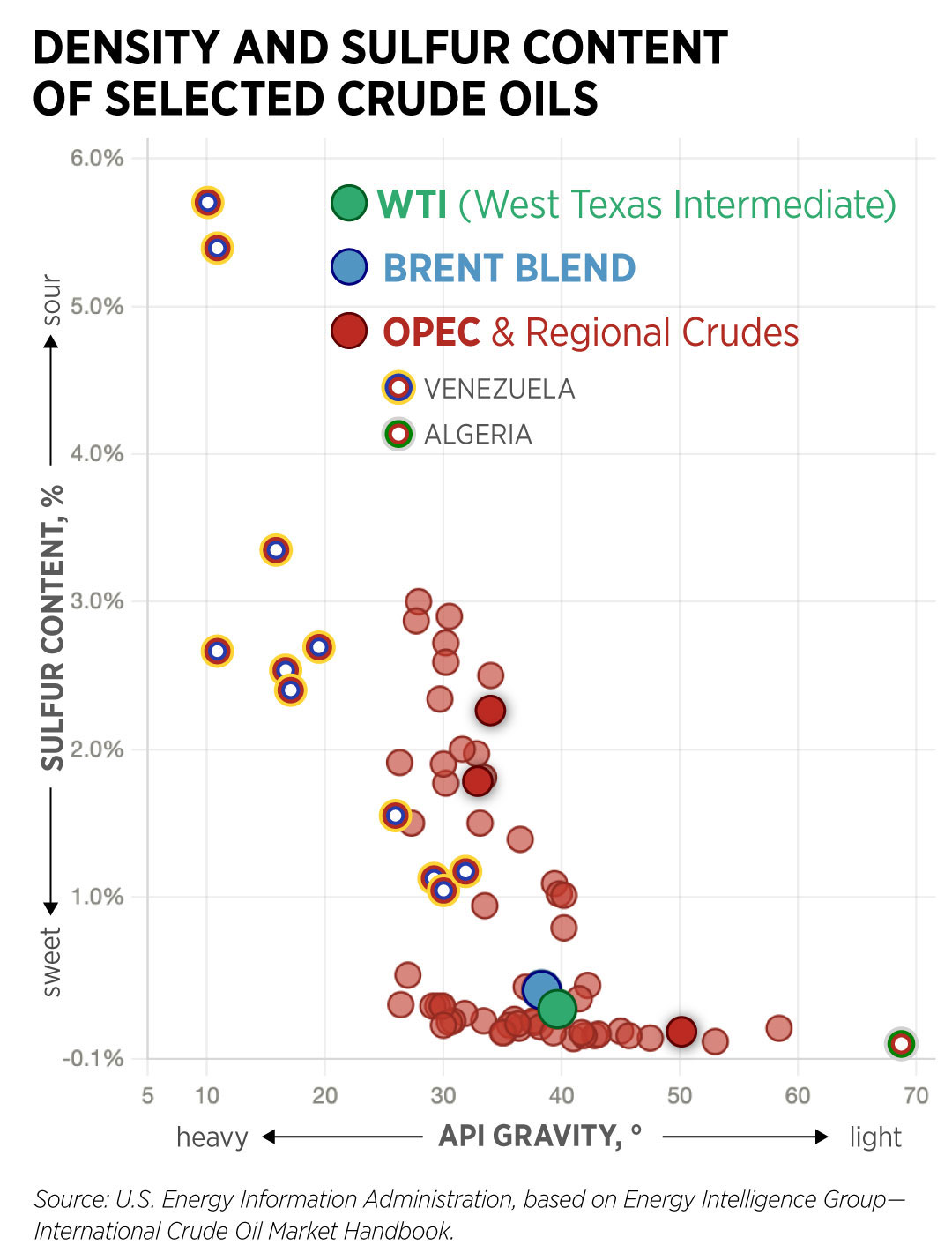
These oils are labeled by the region they come from, and they have a specific chemical makeup. This graph below shows the sulfur content and weight of some of the most common.
This chart was updated in 2026 to include Venezuelan crude oil for Boscan (majority of Venezuelan reserves) and Merey 16 (benchmark Venezuelan export grade) crude oils.
Benchmark Crude Oils: OPEC, WTI and Brent
The three most well known regional benchmark oils are WTI, Brent, and OPEC.
- WTI stands for West Texas Intermediate. This is oil produced in the United States.
- Typically lighter at 39.6° API gravity.
- Typically sweet with 0.24% sulfur content.
- Brent oil comes from the Scottish Brent and Ninian Systems located in the North Sea.
- Typically lighter at 38.3 API gravity.
- Typically sweet with 0.37% sulfur content.
- OPEC stands for “Organization of Petroleum Exporting Countries.” It is a collective group of crude oils from several countries including Saudi Arabia, Iraq, Kuwait, Iran, Libya, Nigeria, Republic of the Congo, Equatorial Guinea, Gabon, and Venezuela.
- Venezuela crude is among the heaviest and most sulfurous in the world, typically around 10.1° API and 5.7% sulfur.
- Algeria crude is among the lightest and cleanest crude available, typically 68.7° API and 0.001% sulfur.
- Saudi Arabia shows how one country can produce dramatically different grades from Arab Super Light (50.1°, 0.09%) to Arab Heavy (27.7°, 2.87%).
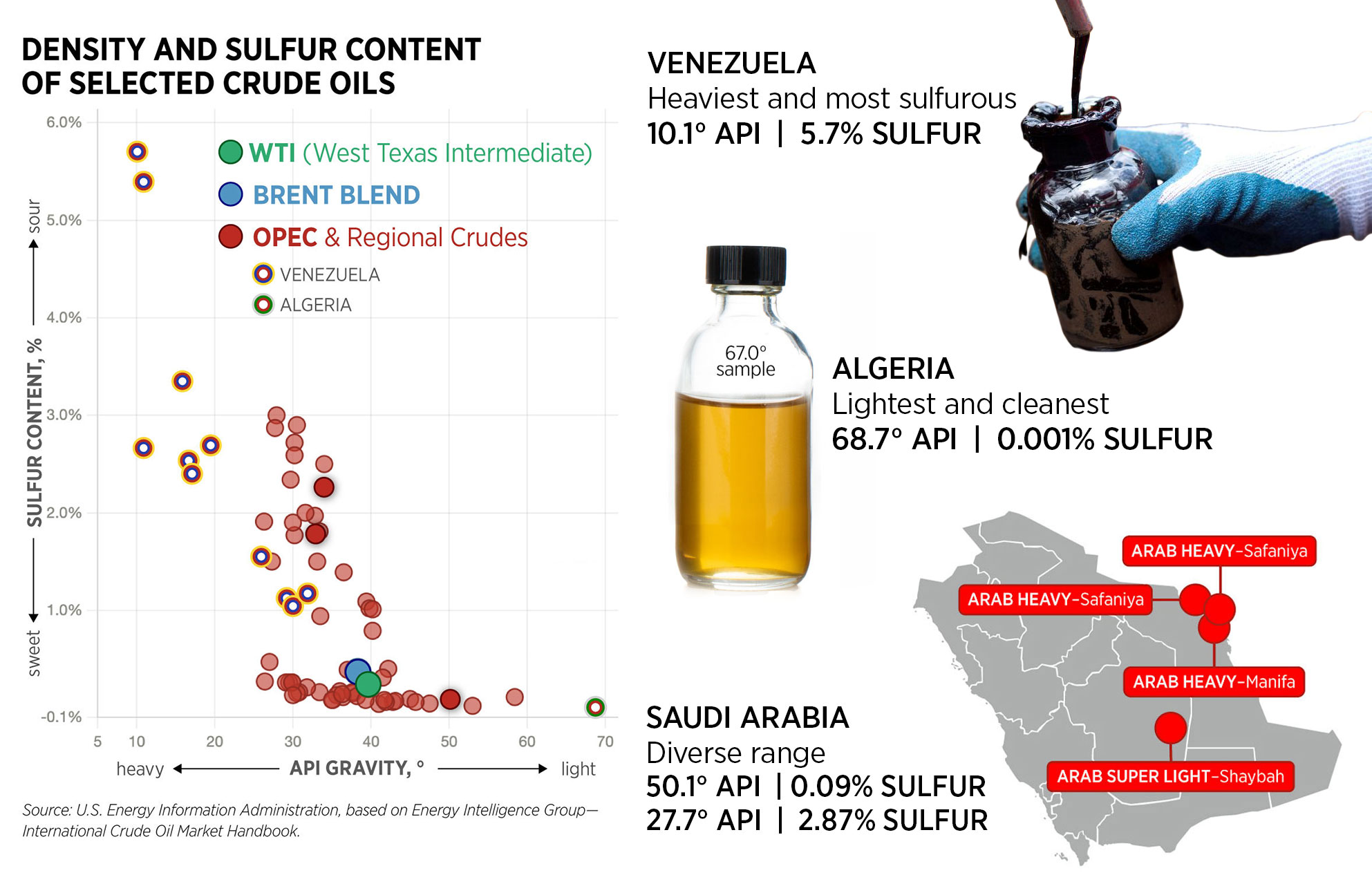
While logistics also play a role, typically the lighter and sweeter an oil is, the more expensive it’s going to be.
Prefer to listen online? Check out our podcast!